
Goal
To find opportunities to make a new text entry method more intuitive, effective, and efficient.
I led iterative user experience testing and proposed numerous design refinements.
Context
I was at RIM, maker of BlackBerry. Through market research, product management found that there was a market for a slimmer phone. The industrial design group designed a compact keyboard, with two letters per key.
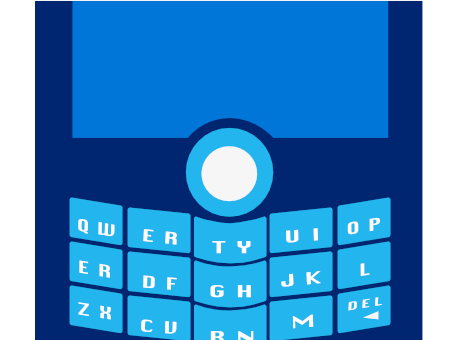
The slimmer phone necessitated a condensed keyboard and a predictive text engine to disambiguate input, called Suretype. This was a risky industrial design move. BlackBerry was very well known for it’s full QWERTY keyboard.
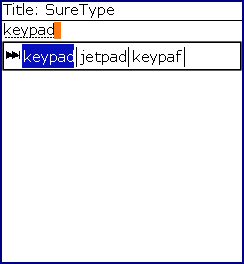
It was VERY important to get this right.
When I started, there was working software available, and a rough hardware prototype.
The core project team included software developers, industrial designers, an interaction/visual designer, a technical writer, a marketing manager, and the product manager. The beta team was quite involved later on. Numerous executives, including the CEO, were very involved in product development.
Approach
RIM was an engineering-driven culture. To sell my approach, I felt I needed to refer to a “standard” framework. I used ISO 9241-11. ISO defines usability as “the extent to which a product can be used by specified users to achieve specified goals with effectiveness, efficiency, and satisfaction in a specified context of use.”
I created a usability specification. This document defined the users, their environment, and tasks. I involved stakeholders in the specification process. They helped me understand the core tasks to validate. We also discussed interactions that might be tricky. This process gave me awesome insight into the problem space.
Analysis
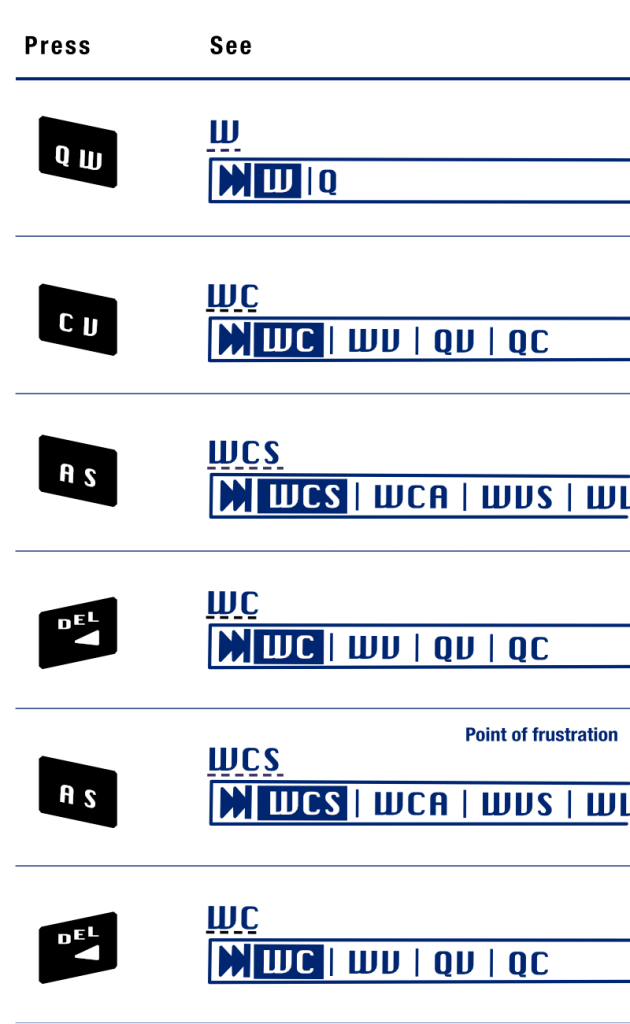
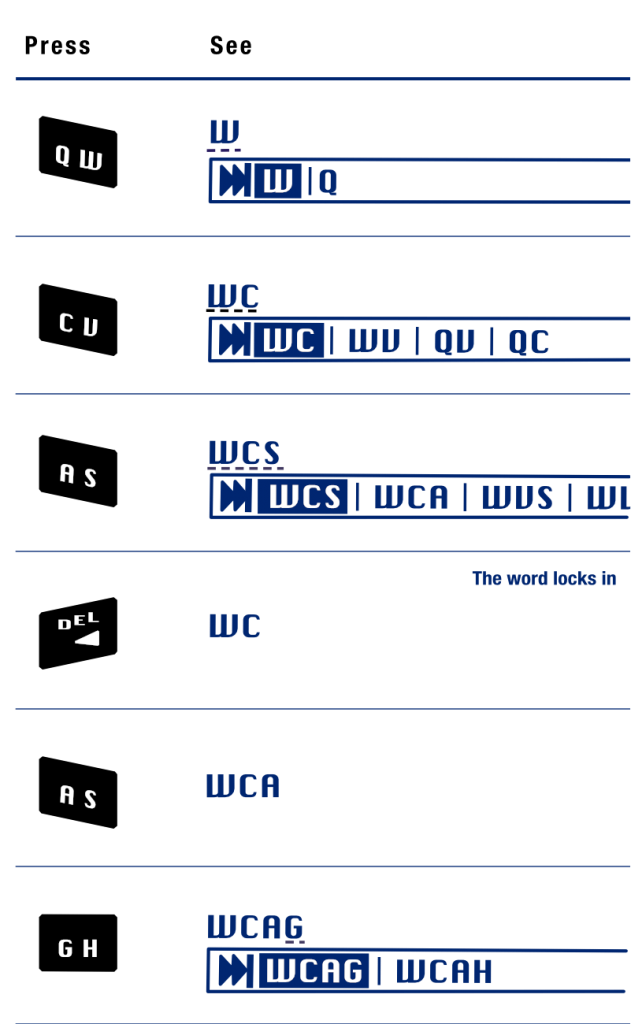
Through iterative testing, my colleague and I learned a lot about mental models around how the text worked. There were some common stumbling points. I pulled in the lead tech writer for the project. She and I came up with a series of tips about how the typing works. The idea was to see if we could improve performance if people read something short about how it works.
Later on, I started working with the beta team closely. This allowed me to see how advanced users interacted with SureType. I made numerous recommendations for refinements that were accepted. For instance, one recommendation was to lock in words when backspacing. This made end-users feel more in control of the suggestions.
Outcomes

The insights from my tests helped refine one of the riskiest parts of the product. Not only did we make the predictive text more effective and efficient, we also addressed learnability issues through creating and refining a “top 10 typing tips”. My findings were also used by marketing to help prepare technology reviewers for the product.
“..after reading the top 10 typing tips that came on the phone, I was up and running efficiently within minutes. I have no trouble heartily recommending the 7100t as a text-messaging device.”
Yardena Arar in PC World Magazine
The BlackBerry 7100 was a commercial success.
“In a year and a half, the service exploded from 1 million to over 4 million subscribers.”
Following this success, I was invited early on to participate in the development of the BlackBerry Pearl, RIM’s all-time best-selling phone. The user research team was quickly expanded from me to 8 people.